Skip to content

Hire a leading UK-based​

Generative Engine Optimisation Consultant

I've spent the last few years on conference stages across three continents talking about how AI is rewriting search - and helping brands act on it before their competitors do.

Generative engine optimisation is how you make sure AI answers mention you.

100+ brands helped£20M+ added revenuePublished author & SEO speaker

Generative Engine Optimisation Consultant

Get in touch

Trusted by 100+ brands including:

ReebokGrind logoSwap CommerceWix LogoBrunel University LondonSemrush LogoNorthumbria UniversityAhrefs logoPlincTouchNote LogoPitchBox

Logos belong to their respective owners. Experience from collaborative SEO work.

Generative Engine Optimisation

Driving AI Citations 📈

GEO: Being the Answer, Not Just a Result

A growing share of your buyers never see a traditional results page. They ask ChatGPT which tool to use, let Perplexity compare their options, or read Google's AI Overview and never scroll past it. In every one of those moments, either your brand is part of the answer or a competitor's is.

Generative engine optimisation - GEO, sometimes called answer engine optimisation or AEO - is the discipline of earning those mentions. It overlaps with strong SEO but it isn't identical: language models weight clear entity signals, structured data, citable statements, third-party corroboration and consistent information about your brand across the web.

I've been close to this shift for years - it's the subject of my conference talks from Dubai to San Diego - and my GEO services turn what I present on stage into work that gets your brand into the answers.

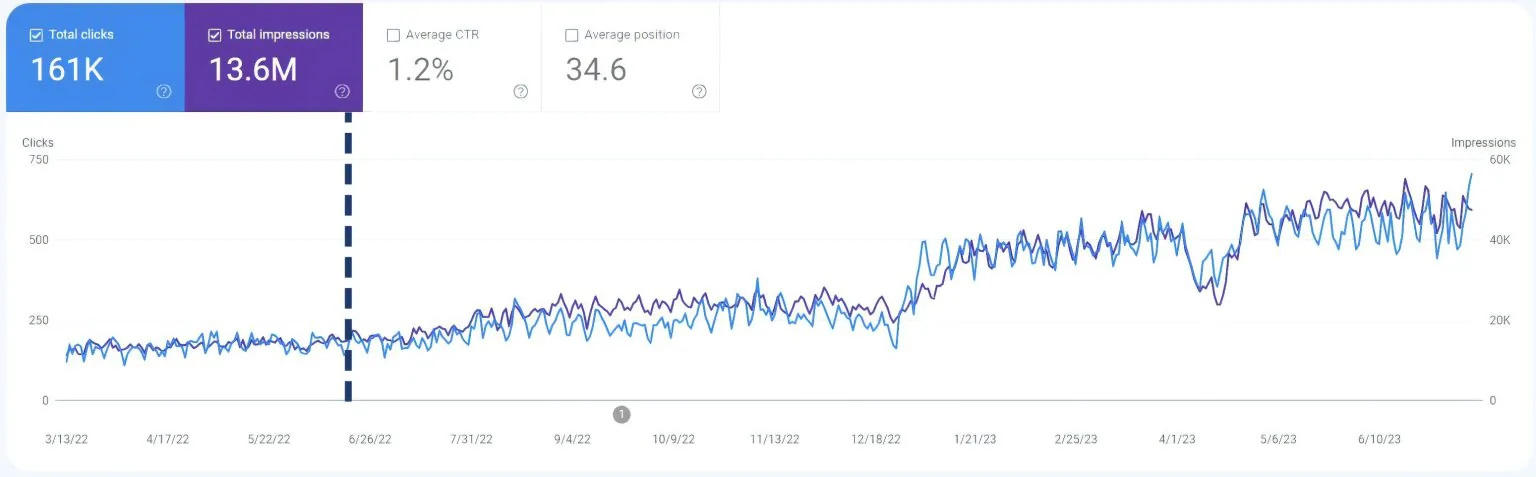
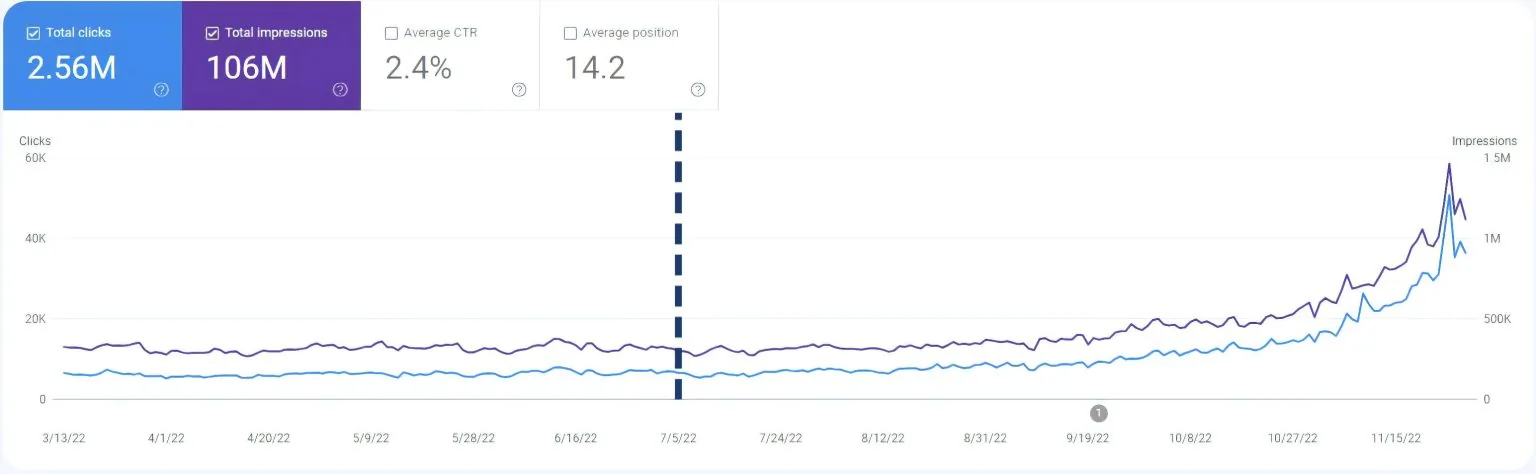
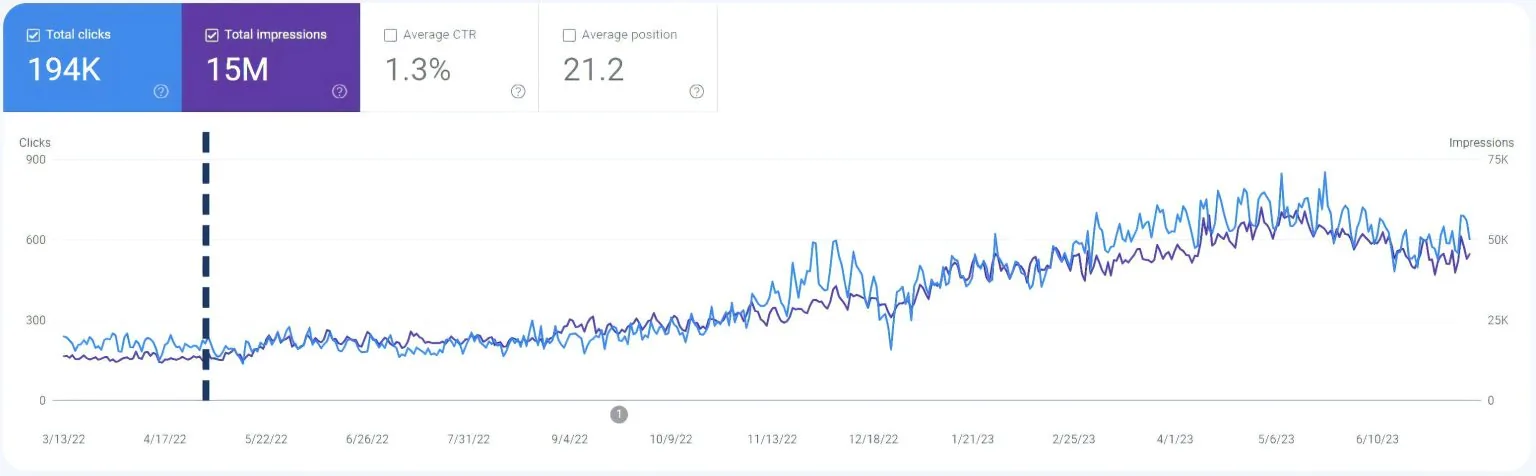
GSC Increase 1
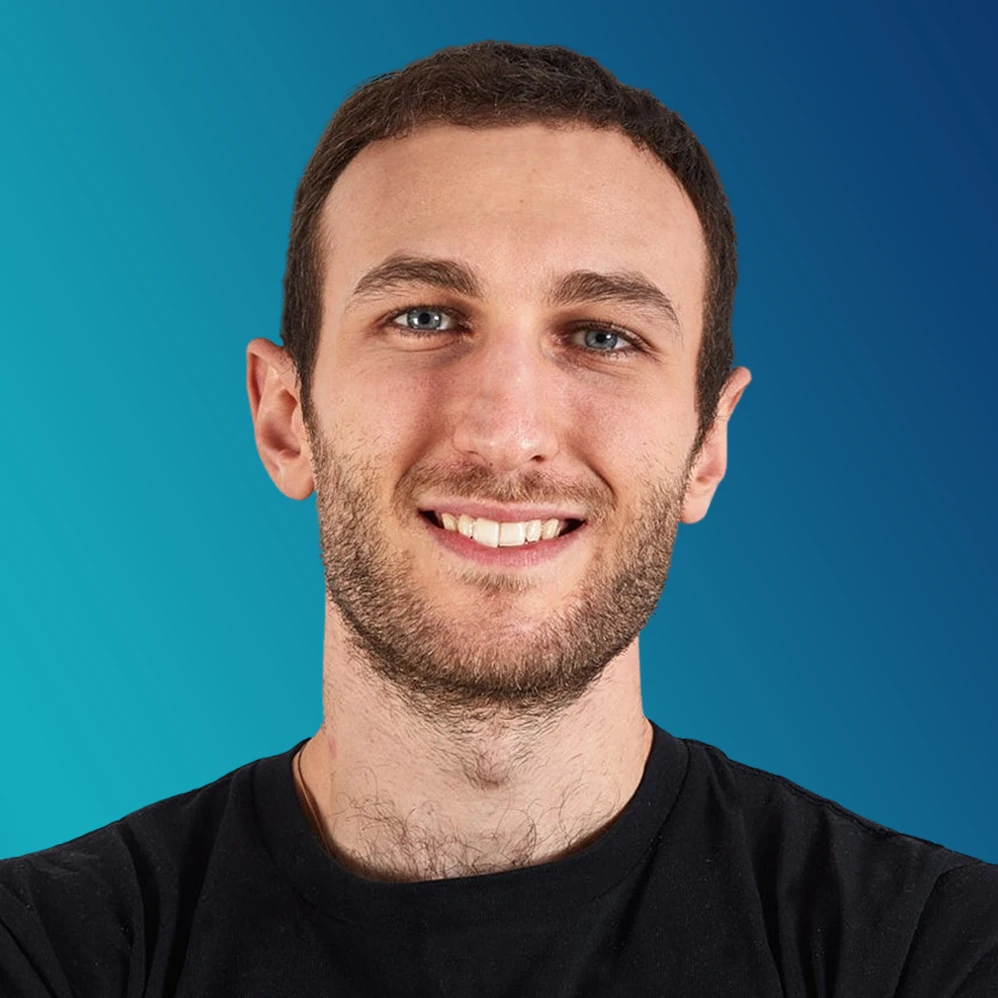
Mordy Oberstein
“Itamar's SEO expertise has been an invaluable part of our continuing process to bring new optimization functionality to the Wix platform. His clear understanding of how 'Search' works along with a crisp conception of what is vital in creating a well-performing site is evident in everything Itamar does.”
Mordy Oberstein, Head of SEO Branding, Wix.com

Why Brands Are Invisible in AI Answers

When AI assistants never mention you, there's always a reason. It's usually one of these three.

🌫️ Weak Entity Signals

If the web is inconsistent or vague about who you are, what you do and who you serve, language models can't confidently include you in an answer. Google might still rank you despite that ambiguity, but an LLM will simply leave you out of the answer.

📚 Nothing Worth Citing

AI answers lean on sources that state facts clearly - statistics, definitions, comparisons, honest assessments. Pages full of vague marketing copy give a model nothing to quote, so it quotes someone else instead.

🙈 Nobody's Even Measuring It

Most brands have no idea what ChatGPT, Perplexity or AI Overviews say about them - or that competitors are being recommended in their place. You can't fix a visibility problem you've never looked at.

What do my GEO services involve?

AI Visibility Audit

Testing what ChatGPT, Perplexity, Gemini and AI Overviews actually say about your brand, your category and your competitors.

Entity & Brand Signals

Strengthening the consistency of your brand's presence across the web, so models know exactly who you are.

Structured Data & Citability

Schema and content structured so machines can extract, trust and quote it.

Citable Content 

Statistics, definitions and clear positions that give AI answers a reason to reference you.

Third-Party Corroboration 

Coverage and mentions on the sources LLMs already trust.

AI Visibility Tracking

Ongoing monitoring of your share of AI answers, plus log file analysis to see how AI user agents are actually accessing your website.

GEO and SEO: One Strategy, Not a Turf War

You'll hear people claim SEO is dead and GEO replaces it. That's backwards - the brands winning AI citations are overwhelmingly the ones with strong organic foundations, because language models learned to trust the same signals search engines reward. GEO extends that work; it doesn't replace it.

In practice I deliver GEO alongside AI SEO and your broader organic strategy: the same investment in authority, entities and content earns you rankings today and citations in the answers your buyers will read tomorrow. That's the position I argue on stage, and it's the one that keeps proving out in the data.

Generative Engine Optimisation FAQ

What is generative engine optimisation (GEO)?

GEO is the practice of making your brand visible in AI-generated answers - the responses from ChatGPT, Perplexity, Gemini and Google's AI Overviews. It focuses on entity clarity, citable content, structured data and third-party corroboration: the signals language models use when deciding which brands to mention.

Is GEO the same as AEO?

Near enough. Answer engine optimisation (AEO) and generative engine optimisation describe the same goal - being included in AI answers - with slightly different emphasis. Whatever the industry settles on calling it, the work underneath is the same.

What's the difference between GEO and AI SEO?

GEO is the narrower of the two. It's specifically about getting your brand mentioned and cited in AI-generated answers, whereas AI SEO is the wider practice of adapting your whole search strategy for the AI era - something I cover across my AI SEO services. The way I see it, GEO is a core part of AI SEO rather than a replacement for it, which is why I plan the two together.

Does GEO replace SEO?

No. AI systems learned which sources to trust largely from the signals SEO builds - authority, clarity, structure and reputation. Strong SEO makes GEO possible; GEO makes sure that strength shows up in AI answers as well as blue links. I plan them as one strategy.

How do you measure GEO results?

By systematically testing AI platforms with the questions your buyers ask, and tracking how often your brand appears, how it's described and who appears instead. Combined with referral data from AI platforms, it gives a clear before-and-after picture.

How long does GEO take to work?

Some improvements land quickly - structured data, entity fixes and citable statements can be reflected within weeks as systems recrawl. Reputation-based signals like third-party coverage compound over months, just as they do in classic search.

Get in touch

Send me a message and I’ll reply within 24 hours